Conquer your Target! Adopt a Holistic Approach to Optimizing Sales Channels and Achieve Success!
By Enrico GiubertoniUpdated 5 minutes to read
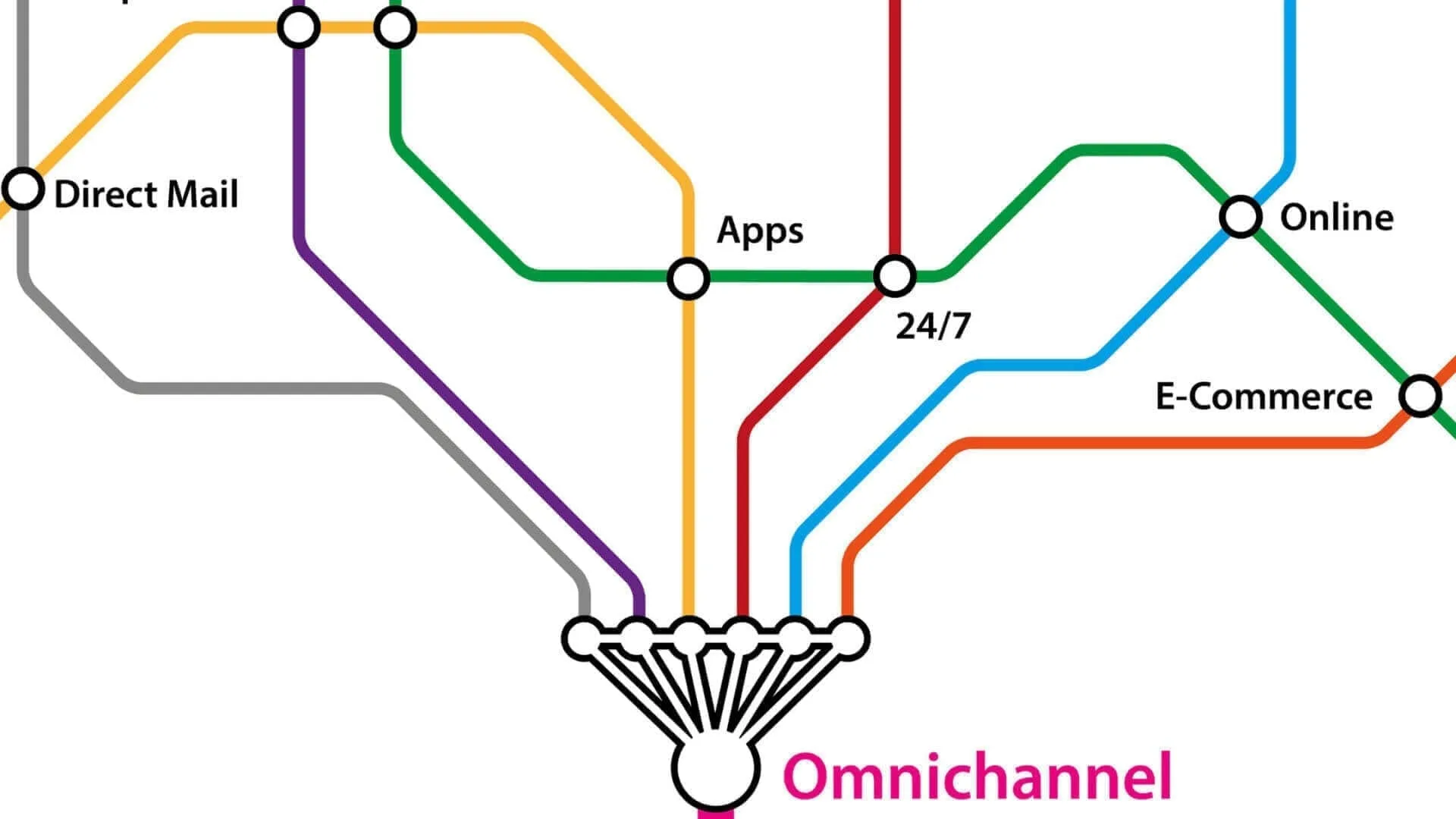
Constantly and carefully monitor the consistency of your company’s digital and physical channels (the store). Track the right KPIs and cross-reference data from other departments to have a global process-level view.
Managing the channels maximizes the potential of your omnichannel strategy, helping you to:
Understand the behaviors through which your target meets their needs
Assist the Target by identifying areas for improvement in the customer experience
Increase revenue and corporate reputation
Why Integrate your Company’s Digital and Physical Channels? I’ll Explain it in this Case Study
This article is based on a case study of a consultation I conducted for a European brand consisting of two channels:
Proprietary e-commerce
Network of physical stores in major cities
I was contacted by the company because the Director of the Digital Department couldn’t understand why the e-commerce had many products in the cart, but few sales. This resulted in significant advertising expenses that did not justify the returns, affecting the proper functioning of the eCommerce.
My consultation involved reviewing organizational processes, creating links between marketing, sales, customer service, and commercial.
As a result, several changes were made to the e-commerce and physical stores to create synergies between the channels and meet the target’s needs.
Reinterpret Processes from an Omnichannel Marketing Perspective
The summary was to reinterpret processes from an Omnichannel Marketing perspective from the customer’s viewpoint.
Thanks to this, it was understood why the Urban Segment uses e-commerce as a reminder to purchase products in the nearest physical store, while suburban residents can enjoy greater convenience and ease by buying online.
In both cases, different Target segments used e-commerce as a tool to meet their needs, even though it was not designed for this.
Final Result: a Unified eCommerce that Increases Online, Offline Purchases, and Customer Experience
Seeing eCommerce as a commercial tool is limiting: you can explore this topic here where I talk about eCommerce Experience.
We have thus transformed a sales catalog into a Unified eCommerce approach.
This resulted in improved efficiency of:
Omnichannel Strategy: designing advertising campaigns with a horizon on physical and online channels
Optimize the Customer Journey: eCommerce now fulfills various functions to assist distribution and online channels
Converge Marketing Sales Customer Service functions into an OnLife Sale (Online + Offline)
In summary, monitoring channel consistency is essential to understand your target’s needs and create synergies between the various sales channels.
In this way, it was possible to optimize the customer journey, enhance the customer experience, and maximize multichannel onlife sales.
The “company achieved the” goal of an omnichannel approach designed around the real needs of the target.
This is the #DigitalMarketingMentality that the target needs.
Frequently asked questions
Why does an e-commerce site have many products in the cart but few sales?
In the case I worked on for a European brand, the answer was in the stores. By comparing e-commerce and store data with Business Intelligence tools, it emerged that people near the stores added products to the cart and then abandoned the purchase, while people further away completed the transaction online. The urban target was using the cart as a reminder to buy in the nearby store.
Why should a company integrate its digital and physical sales channels?
Because customers already use them together to meet their needs. Monitoring the consistency of digital and physical channels, with the right KPIs and data cross-referenced from other departments, helps you understand how your target meets its needs, find areas for improvement in the customer experience and increase revenue and corporate reputation.
Why do internal departments miss omnichannel customer behaviour?
Because of a lack of Digital Marketing Mentality. In my case study, marketing, digital and sales worked separately and did not collaborate, and e-commerce was seen as a competitor by the physical stores and vice versa. The target had already made the cultural leap to an omnichannel approach, while the business units had not.
What is a unified e-commerce approach?
It means seeing e-commerce not as a sales catalog but as a tool that serves both online and physical channels. In the case study it led to advertising campaigns planned across physical and online channels, a customer journey in which e-commerce assists distribution, and the convergence of marketing, sales and customer service into an OnLife sale, online plus offline.